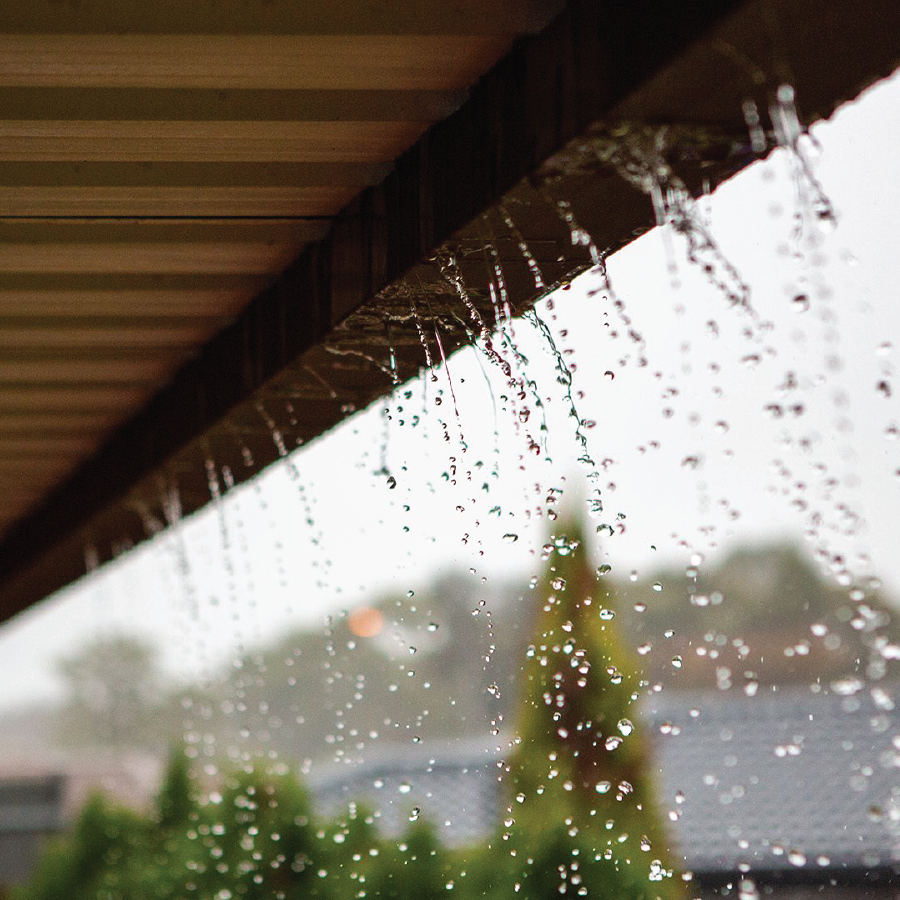
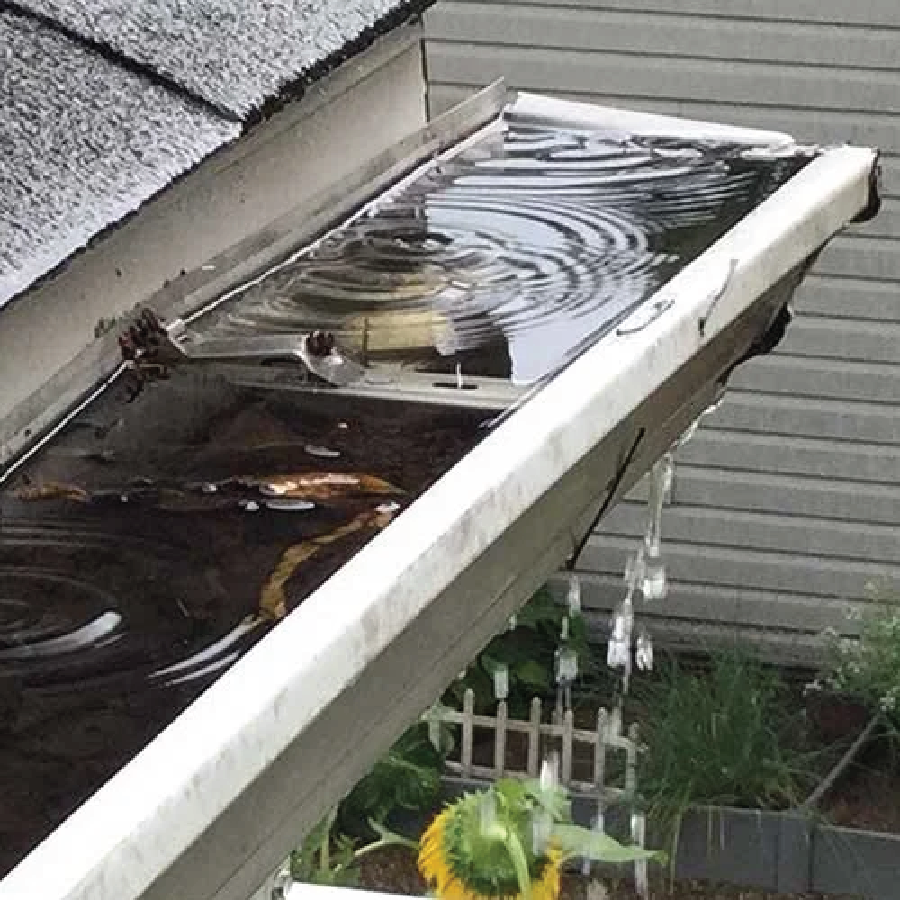
One of the most common causes of overflowing gutters is debris buildup. Leaves, twigs, roofing granules, and other materials can block water flow inside the gutter system and prevent rainwater from draining properly through the downspouts. When water has nowhere to go, it begins spilling over the edges of the gutters during rainfall. Routine gutter cleaning helps keep water flowing properly and reduces the risk of overflow-related damage to the home.
________________
________________
________________
________________

Gutters are designed with a slight pitch that allows water to flow toward the downspouts. If the gutter system was installed incorrectly or begins sagging over time, water may collect in certain sections instead of draining properly. Standing water can eventually overflow during heavy rain and place additional stress on the gutter system. Correcting drainage and pitch issues helps improve overall gutter performance and prevent recurring overflow problems.
In some cases, gutters overflow because they are undersized for the roof they are protecting. Homes with large roof surfaces or steep rooflines may produce more water runoff than smaller gutter systems can handle, especially during heavy storms. Upgrading from 5-inch gutters to 6-inch gutters can improve water capacity and help reduce overflow issues. Choosing the correct gutter size is important for protecting the roof, siding, foundation, and landscaping from excess water runoff.